
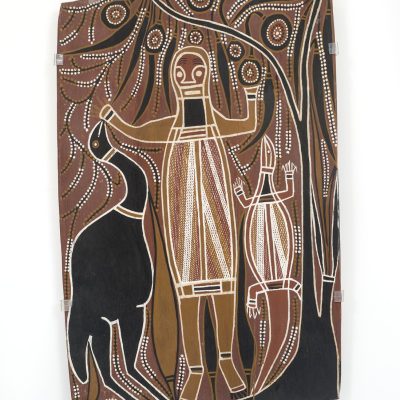
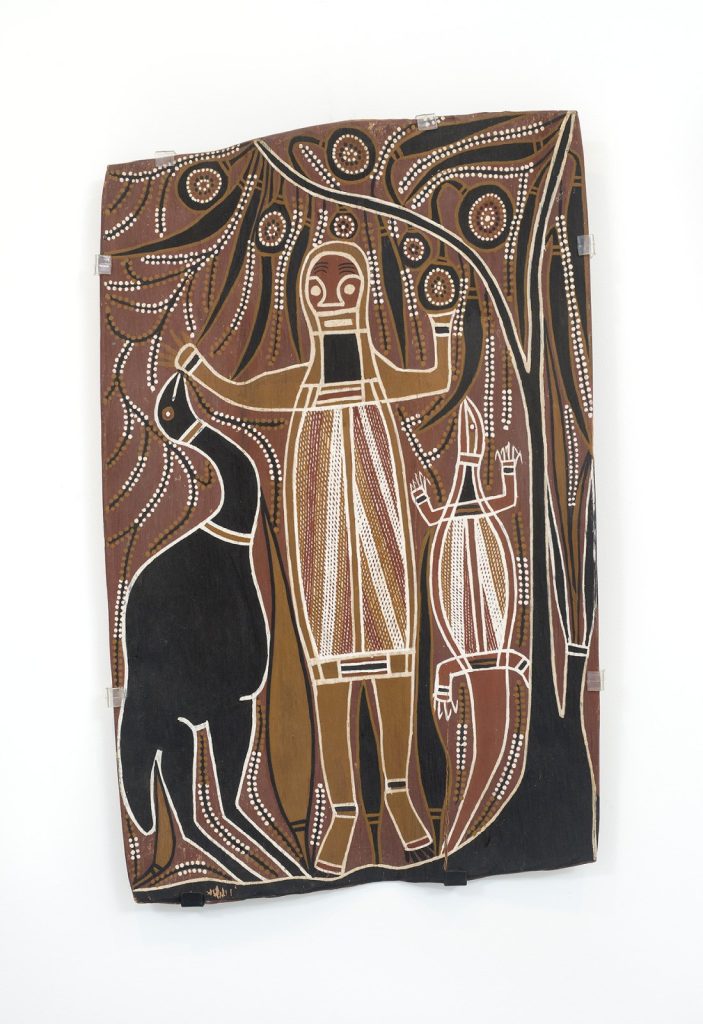
Ceremony
David Daymirringu Malangi
Provenance
Aboriginal and South Pacific Gallery, Surry Hills, exhibited 1995; Private collection, Sydney
Essay
Malangi’s bold style of painting was distinctive from his contemporaries. He used thick white lines, large areas of black, chocolate brown ochre and generous amounts of rarrk (crosshatching). He began bark painting as a young man, taught by his father and uncle to paint on bodies for ceremonies, on hollow logs for burials and later on stringybark. He was taught to paint the story of his creation ancestor, Gurrumurringu, and the story of the Djangkawu sisters. His style influenced several other central Arnhem Land painters.
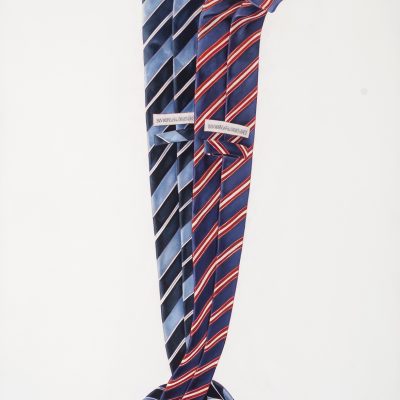
Charmer, Double Snake
Michael Zavros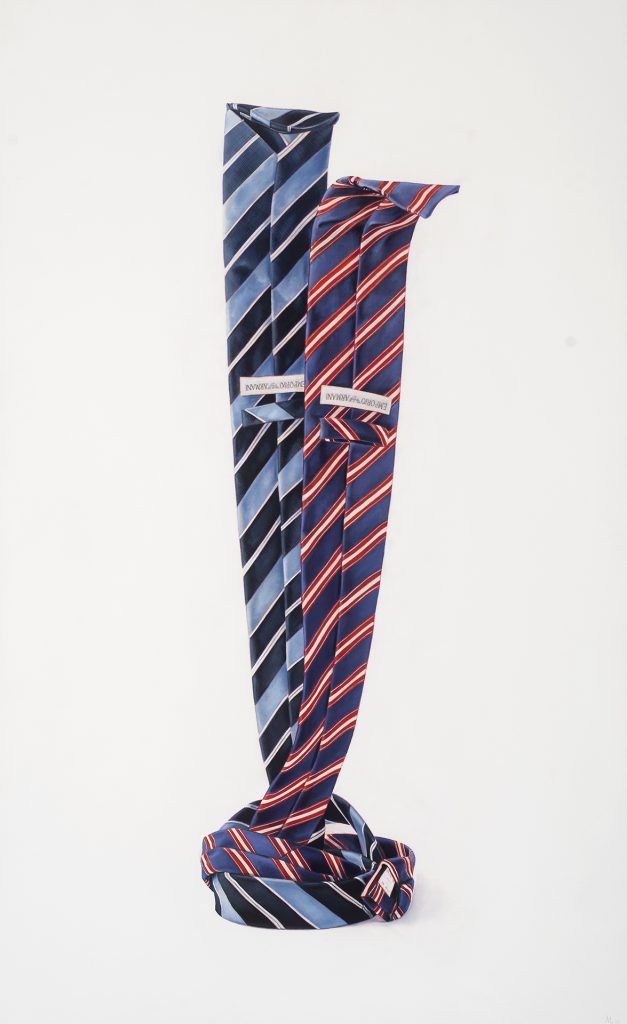


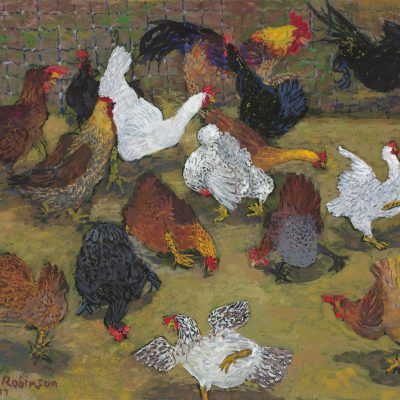
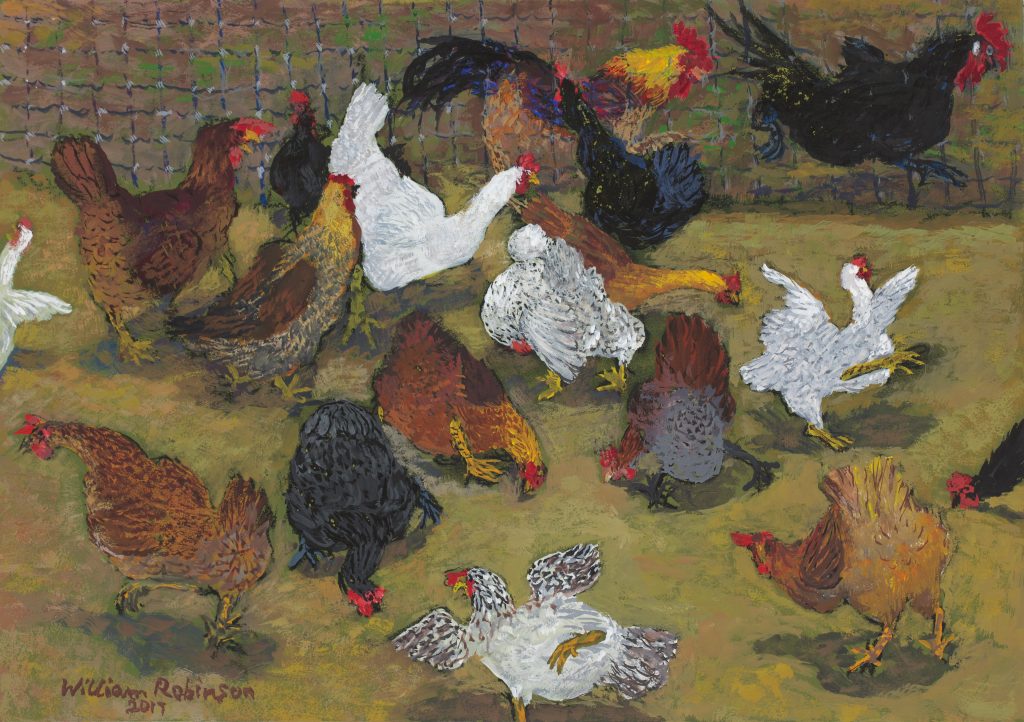
Chookrun
William Robinson
Provenance
Australian Galleries; Private collection, Sydney
Essay
William Robinson began painting his farmyard scenes in the 1980s, after he had moved to rural Brisbane in the 1970s. Having spent much time in the company of his farm animals Robinson came to uncover their individual humorous, yet whimsical nature in his paintings.

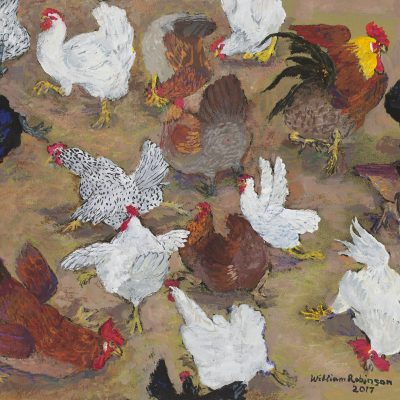
Chookyard with Infiltrating Roosters
William Robinson
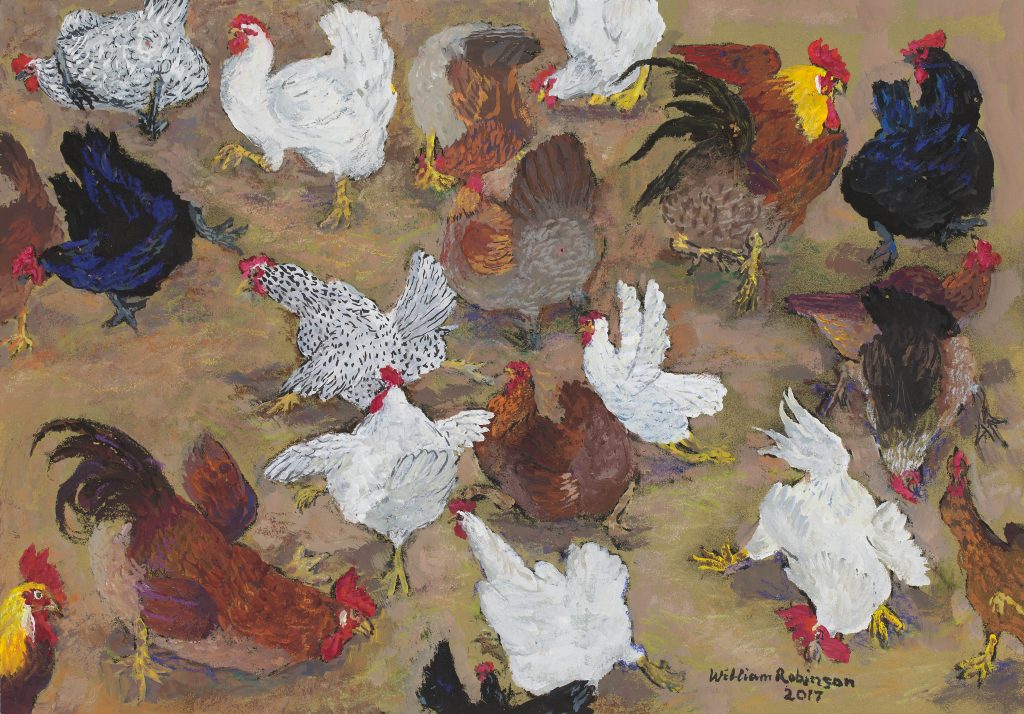
Chookyard with Infiltrating Roosters 2017
gouache paper
signed lower right
18 x 26cm
Provenance
Australian Galleries; Private collection, Sydney
Essay
William Robinson began painting his farmyard scenes in the 1980s, after he had moved to rural Brisbane in the 1970s. Having spent much time in the company of his farm animals Robinson came to uncover their individual humorous, yet whimsical nature in his paintings.

Christine Keeler
Lewis Morely
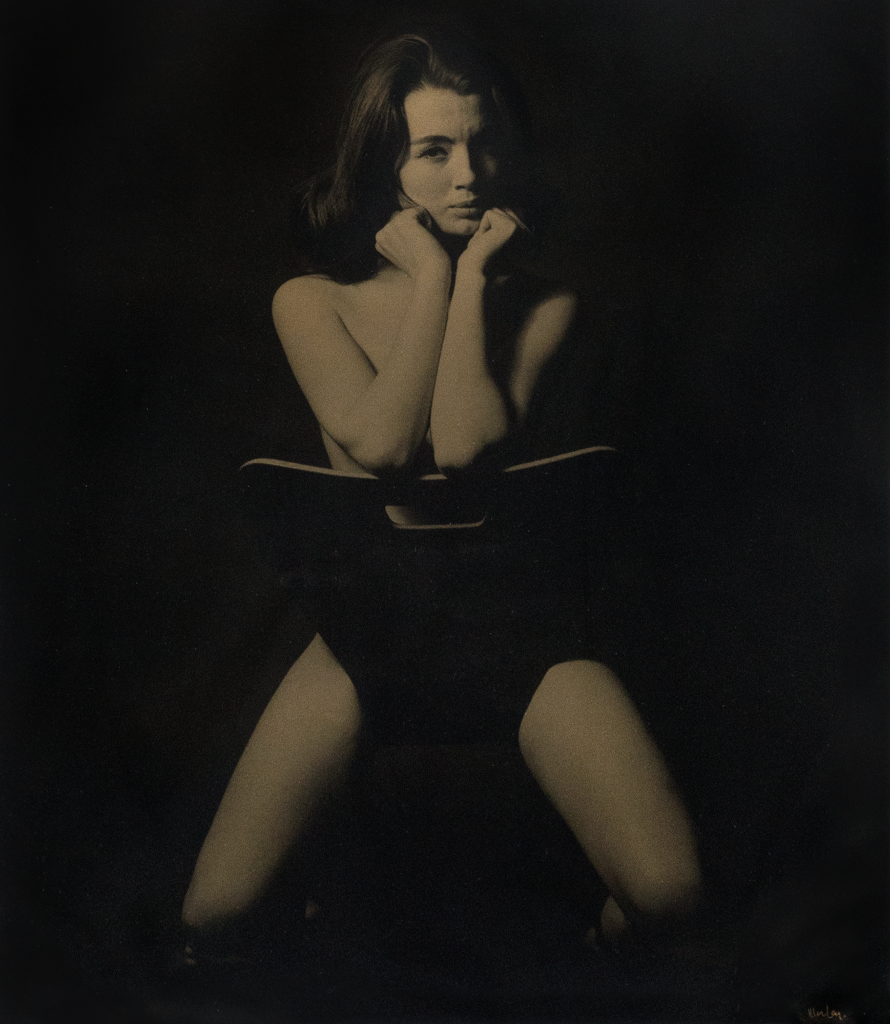
Christine Keeler 1963, printed 1992
silver gelatin photograph on printed gold paper
titled dated and signed verso
58 x 48 cm
edition of 4
Provenance
The collection of Lewis Morely;
Private collection, Sydney
Essay
Includes:
(1) Christine Keeler Seated with Chair, 1963, printed 2011,
C-type photograph printed on Fuji Crystal Archive Flex paper,
edition 48/150, signed in ink in lower margin, 30.5 x 40.6cm
(2) Lewis Morley: I To Eye, T&G Publishing, Sydney, 2011.
Hardcover book with dust jacket, 400 pages with over 270
duotoned and colour photographs; 8.1 x 47 x 36.4cm (box).
(3) Eight-page booklet entitled Lewis Morley: The Hidden
Nude with text by Lewis Morley.

Circular Quay
Max Dupain
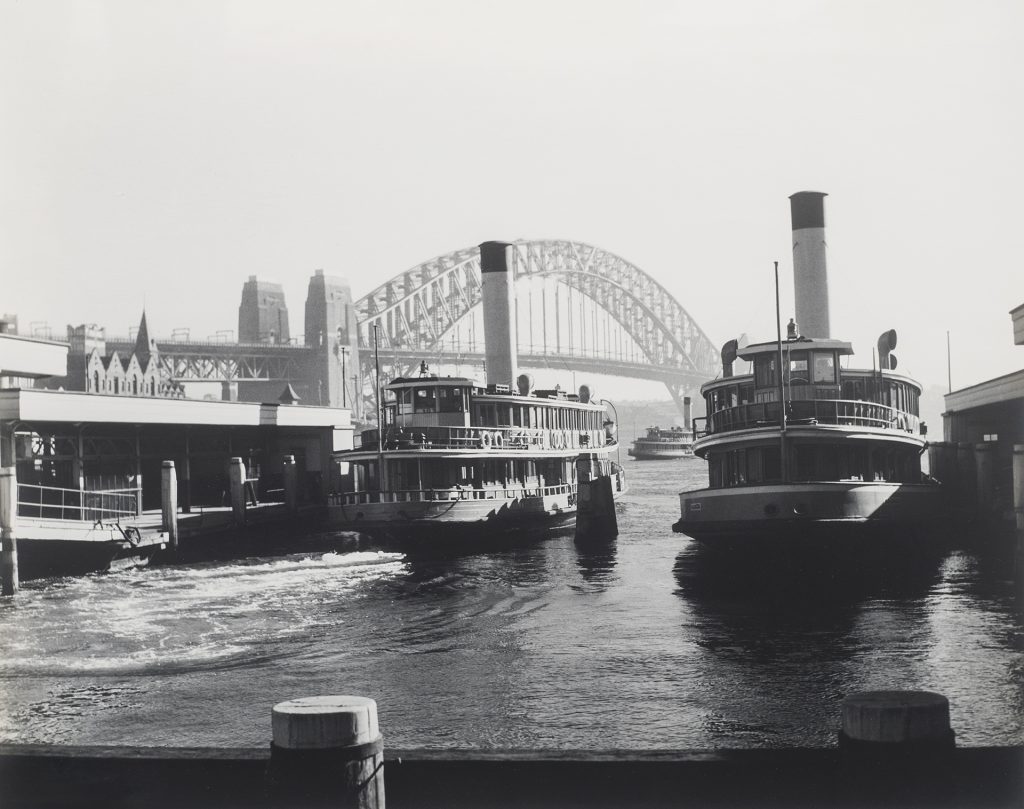
Circular Quay 1938
silver gelatin photograph
signed, titled and dated verso
39.5 x 50.5cm
